🎙 Listen to a summary of this story
Tongxiang technology firms are aggressively demonstrating advanced Artificial Intelligence applications ahead of the forthcoming Wuzhen Summit, signaling a concentrated regional push to integrate deep learning into core industrial processes.
The showcase highlighted significant advancements across various sectors, moving beyond theoretical modeling toward tangible, deployed solutions in manufacturing and smart city infrastructure. These local innovations underscore Tongxiang's positioning as an emerging hub for applied AI technology within China’s broader technological landscape.
Industry observers noted that the presentations focused heavily on solving real-world operational bottlenecks, particularly concerning efficiency gains and predictive maintenance—areas where traditional automation often falls short of modern cognitive capabilities. The collective display suggests a rapid maturation curve in regional AI deployment capabilities.
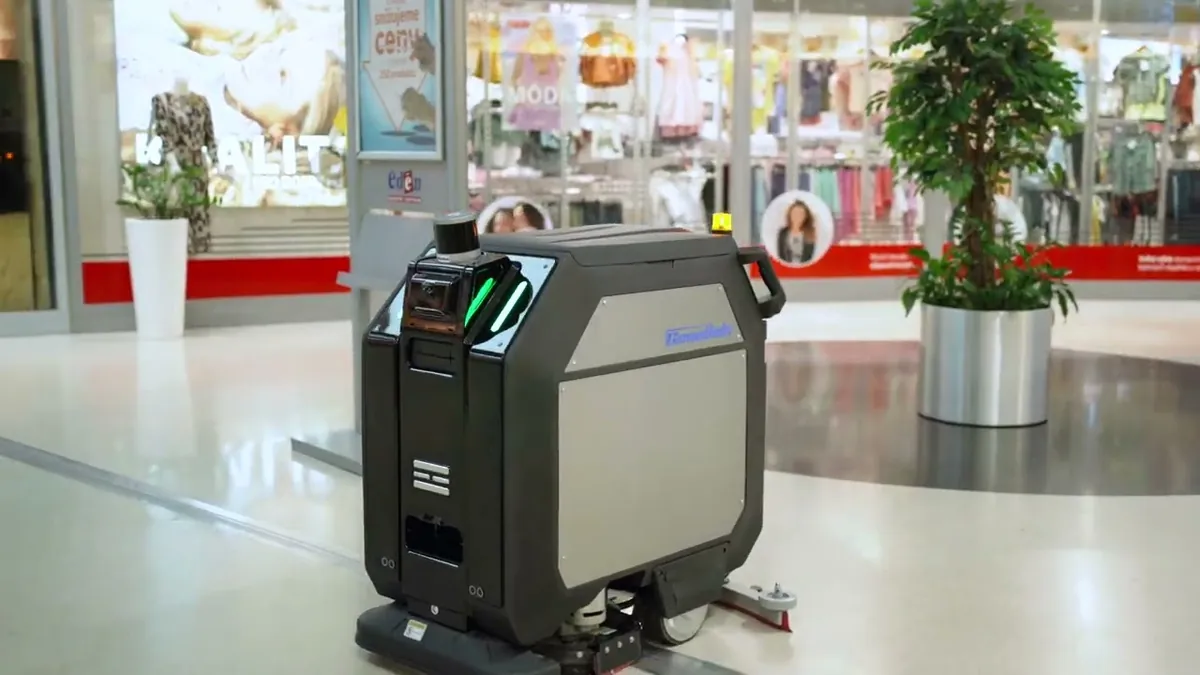
One leading company, CenoBots, has sold products in more than 40 countries and regions to clients including Tesco and the University of Minnesota. Other companies include TEEMO and Zelos who are providers for self-driving autonomous vehicles.
Technical Deep Dive into Localized AI Solutions
Several participating companies detailed proprietary algorithms designed for specific industrial environments within the Yangtze River Delta region. Key demonstrations involved a large-scale urban traffic management system powered by federated learning models. This software architecture allows data processing to occur locally across numerous sensors before aggregated insights are shared, maintaining strict data privacy while optimizing real-time traffic flow predictions for municipal planning.
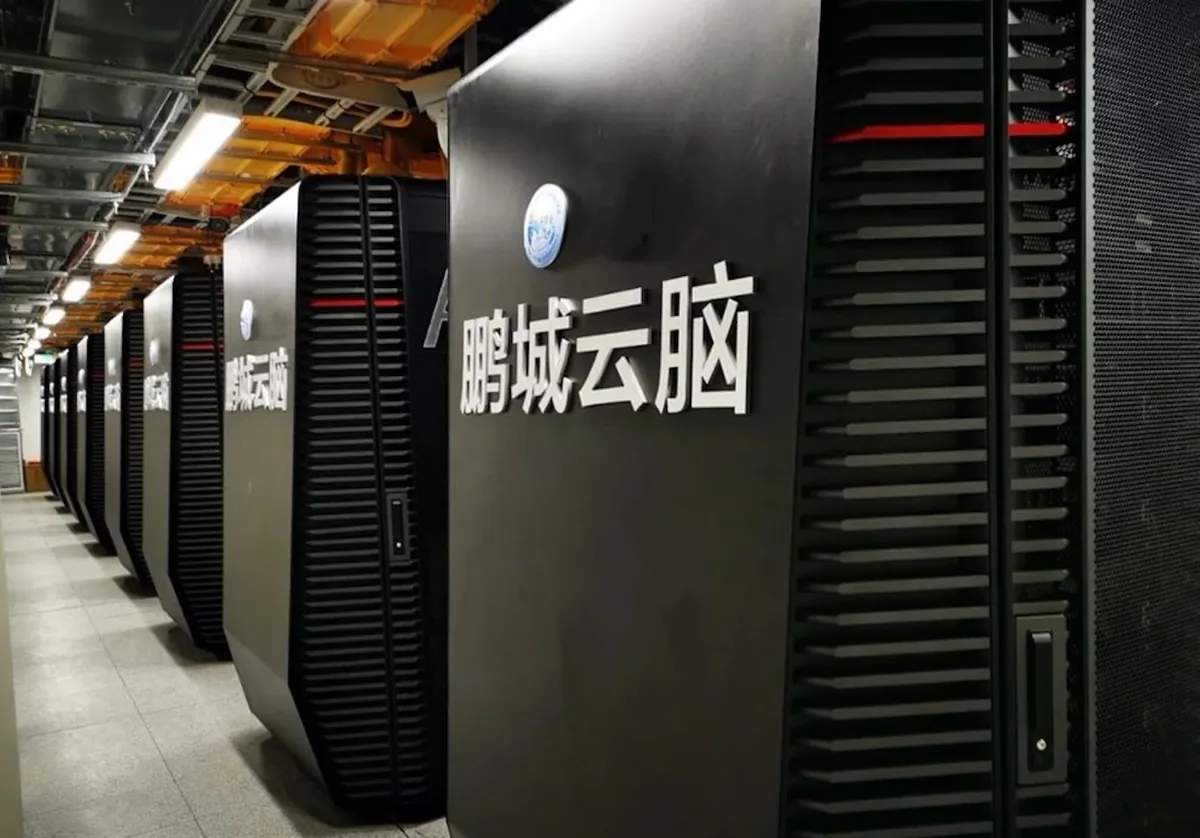
The hardware underpinning these deployments frequently relies on customized edge computing devices optimized for low-latency inference. These localized computational units allow complex AI models—which might otherwise require cloud processing—to execute decisions instantly at the point of need, a critical factor in time-sensitive industrial settings.
Broader Market and Geopolitical Implications
This concerted local demonstration aligns with Beijing's national strategy to foster specialized technological clusters, shifting focus from pure foundational research toward commercial viability. The success showcased in Tongxiang provides a scalable model for other mid-sized industrial cities looking to leapfrog traditional manufacturing processes.
From a geopolitical standpoint, the emphasis on localized, robust AI solutions reflects a broader trend of technological self-sufficiency within China. Reliance on purely external cloud infrastructure is being strategically mitigated by developing sophisticated, on-premise computational stacks tailored to domestic operational needs.
The momentum generated by these pre-summit showcases suggests that the next wave of industrial digitization in Chinese manufacturing will be characterized less by wholesale adoption of foreign platforms and more by customized, highly efficient indigenous AI tooling. Stakeholders anticipate increased investment flows into regional technology incubators as a direct result of this demonstrable capability.